
Is it true that collagen decreases at age 25, causing premature aging?

What is collagen?
Collagen is a crucial component of skin, hair, nails, bones, joints, muscles, and tendons. It is the most abundant protein in the body, accounting for one-third of all proteins. Collagen is also found in other parts of the body, such as blood vessels, corneas, and teeth.
Benefits of collagen
Many people seek ways to supplement collagen in their bodies and may wonder about the benefits of consuming collagen. Several studies on collagen have shown the following advantages:
- Improves skin elasticity, hydration, plumpness, and reduces roughness
- Helps diminish the appearance of wrinkles
- Reduces nail brittleness
- Helps slow down bone mass degradation
- Supports joint health in older adults, such as reducing joint pain
Is it true that collagen decreases at age 25?
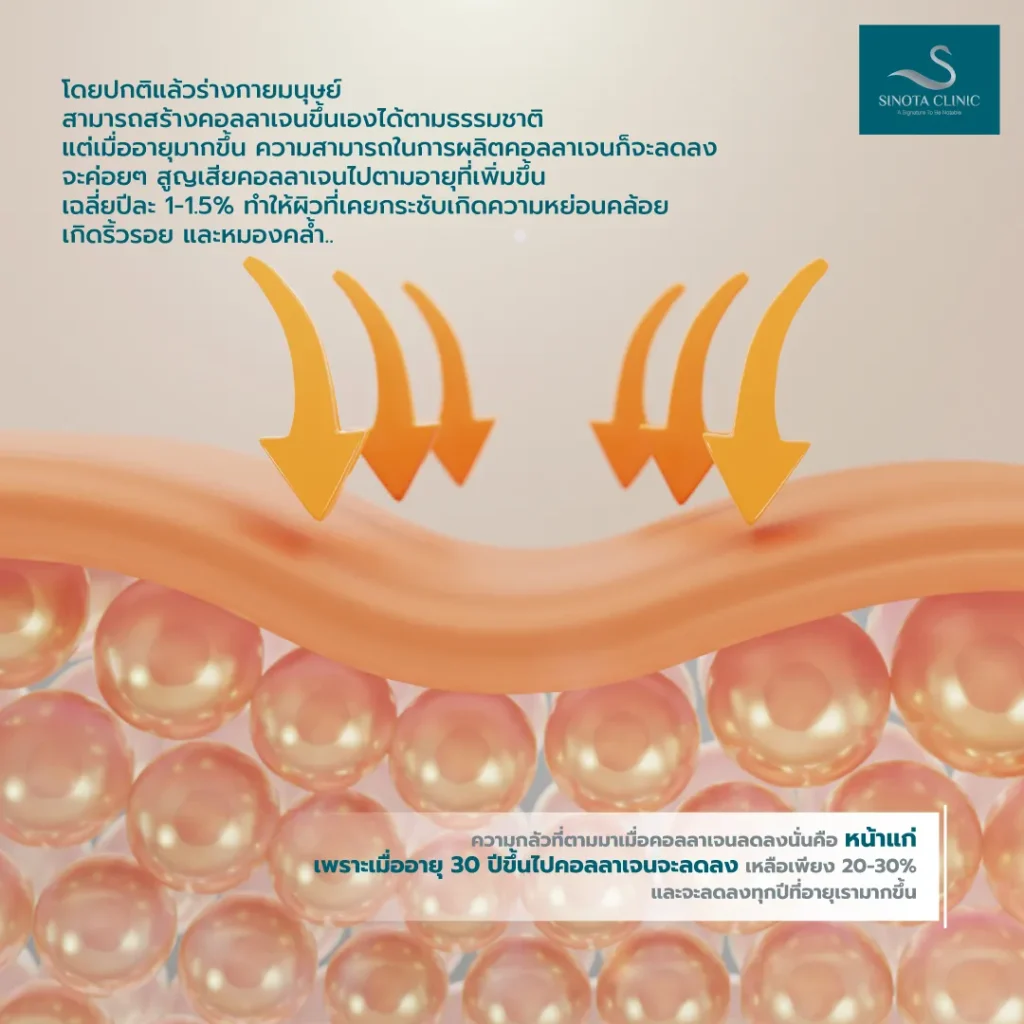
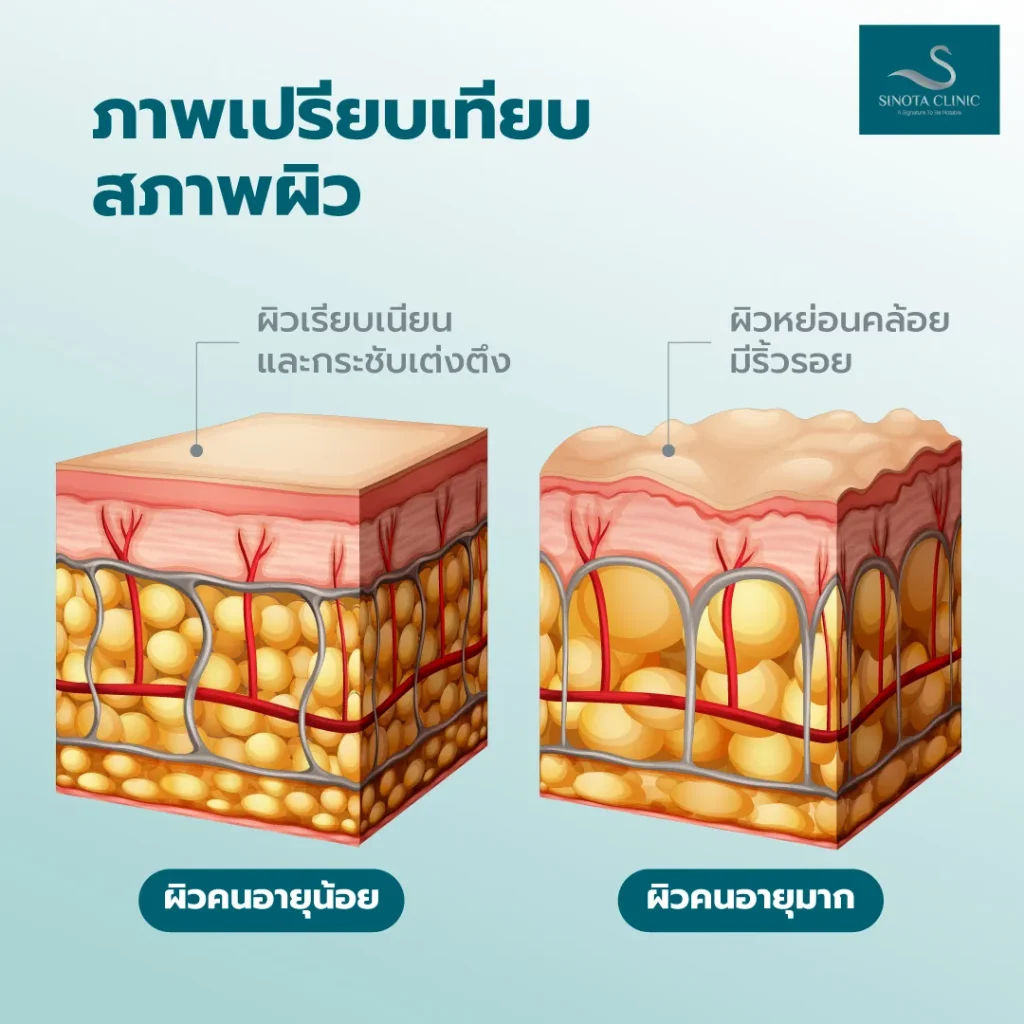
Normally, the human body can naturally produce collagen, with peak production occurring during childhood. However, as we age, our ability to produce collagen decreases. At age 20, the body contains approximately 75% collagen, which gradually decreases by 1-1.5% annually as we age. This reduction leads to skin that was once firm becoming loose and sagging, developing wrinkles, and appearing dull.
The fear that accompanies decreasing collagen levels is "premature aging." After age 30, collagen levels drop to only 20-30% and continue to decline each year as we grow older.
Methods to boost collagen production
We can choose foods that help slow down collagen degradation and contribute to increased collagen production. Here are techniques to help maintain collagen levels in the body:
- Consume adequate daily protein to support optimal collagen production As collagen is a type of protein, consuming sufficient protein from meat, dairy, eggs, or grains to meet daily requirements (1-1.2 grams per kilogram of body weight) is essential. The body will break down protein into amino acids to create collagen, benefiting skin condition, knee joints, and bone mass, in addition to maintaining overall protein balance in the body.
- Vitamin C Vitamin C stimulates collagen production and is an important antioxidant that helps slow collagen degradation. Sources of vitamin C include various fruits and vegetables such as guava, kale, broccoli, strawberries, oranges, red apples, lemons, and various berries.
- Vitamin A Vitamin A helps stimulate the body's production of collagen and elastin, promoting skin firmness. Food sources of vitamin A include meat, eggs, milk, and dark green and yellow-orange vegetables such as ivy gourd, water spinach, carrots, and ripe papaya.
- Vitamin E Vitamin E is an antioxidant that works in conjunction with vitamin C. Sources of vitamin E include various vegetable oils such as rice bran oil and soybean oil.
- Avoid sugary foods Sugar causes a process called glycation, which affects collagen's structure and reduces its elasticity.
- Drink adequate water, 8-10 glasses or 2 liters per day. Water is crucial for collagen production in the body. Insufficient water intake can lead to reduced collagen synthesis.
While we cannot prevent the annual decrease in collagen, we can slow it down or balance collagen levels. Choose methods that suit you and can be realistically incorporated into your daily routine. "Premature aging" is inevitable, but we can care for our skin and body to slow down the aging process as much as possible. Regardless of the method you choose, be confident in yourself, as everyone has their own unique and memorable beauty.
Considering the significance of addressing skin issues and enhancing overall beauty, consulting with Sinota Clinic is a wise step towards elevating your unique beauty identity, ensuring it leaves a lasting impression.
Service Location:
982/22 Gateway Ekamai Shopping Center Building, 5th Floor, Office Zone, Room No. 5111-5112, Sukhumvit Road, Phra Khanong, Khlong Toei, Bangkok 10110
phone : 064-239-3291 (HOTLINE : 24 Hrs.)
Email : info@sinotaclinic.com
Business hours: Every day 10:00 AM - 7:00 PM.
